UBS: 40,000 Store Closures Coming, and Tariffs Could Push That Higher
UBS analysts project more than 40,000 U.S. store closures over the next five years, driven by e-commerce growth, AI-assisted shopping, and tariff pressure — with department stores and specialty retailers bearing most of the pain.
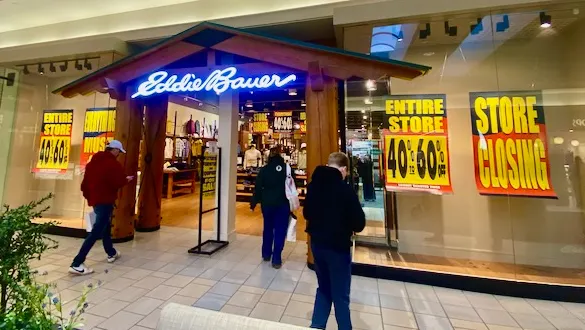
UBS is calling time on a significant chunk of the American store fleet. In a research note published Thursday, analysts led by Michael Lasser projected that more than 40,000 U.S. stores will close over the next five years, with e-commerce, AI-assisted shopping, and ongoing tariff policy doing most of the damage.
The Numbers Behind the Forecast
The trend is already moving. According to Retail Dive's reporting on the UBS note, the U.S. had about 5,000 fewer stores in Q3 2025 than in Q3 2024, a reversal from recent years when openings outpaced closures. There are now fewer than three stores per 1,000 Americans, down roughly 12% from 2003.
Online now accounts for more than 20% of total U.S. retail sales, up from just over 10% in 2019. UBS expects that share to reach 27% by 2030. The firm's view is that AI is accelerating this shift, making digital discovery and purchase easier while reducing the revenue physical stores need to justify their footprints.
If current immigration policy suppresses population growth, UBS says closures could reach nearly 70,000.
Who Survives, Who Doesn't
Not all formats are equally exposed. Department stores and specialty retailers face the most pressure. Off-price chains are still expanding. And the big three — Walmart, Costco, and Target — are positioned to absorb share as marginal players exit.
That concentration dynamic matters for retail media. A shrinking store count that consolidates around a handful of dominant chains means more ad dollars flowing to a smaller number of retail media networks with real scale. Niche or regional RMNs attached to struggling specialty banners are exactly the kind of inventory that gets squeezed out.
Tariffs Add a Wild Card
UBS estimates that tariffs currently in place could cause retail sales to drop roughly 0.5% annually, with retailers absorbing around $100 billion in added costs. A third of U.S. households earn under $50,000 a year, the analysts note, which limits how much of that cost can be passed to consumers before spending simply contracts.
Higher prices hitting lower-income shoppers disproportionately isn't just a macro story. It's a CPG advertiser problem. If those households pull back, the ROI case for sponsored product campaigns targeting value-oriented consumers gets harder to make, and brands competing on price face a market where their core customer has less room to spend.
Why It Matters
Fewer stores means a smaller physical canvas for in-store retail media, from digital screens to cart-based ads to pickup and delivery fulfillment tied to store locations. The networks that survive will likely have stronger first-party data, better traffic, and more advertiser leverage — but the overall addressable inventory for in-store formats shrinks. For ad-tech vendors and brands building omnichannel attribution models around store visits, a 40,000-unit contraction over five years is not a rounding error.
Comments
Sign in to join the discussion.
Be the first to comment.