Sam's Club Goes to One Hour: Express Delivery Now Live Across 600+ Clubs
Sam's Club has rolled out a new sub-one-hour Express delivery tier across more than 600 locations, intensifying the fast-fulfillment arms race with Amazon and raising the stakes for commerce media placements tied to immediate-need shopping missions.
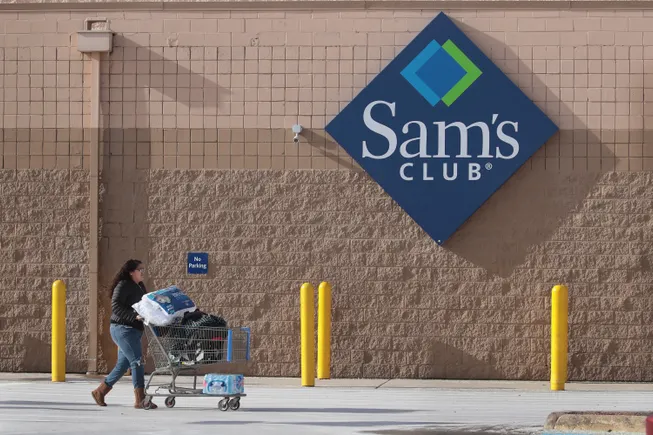
Sam's Club bets big on speed
Sam's Club quietly flipped the switch on one-hour delivery at scale. The Walmart subsidiary launched its new Express tier across more than 600 club locations on April 2, and according to Retail Dive's reporting, has already logged nearly 65,000 completed deliveries under the new option. The move arrives as Amazon and FedEx each announced their own accelerated shipping plays — making sub-one-hour fulfillment the new battleground for wallet share.
The pricing and mission profile
Sam's Club now offers two Express tiers: a three-hours-or-less option at $5 (Plus members) or $17 (Club members), and the new one-hour-or-less service at $10 or $22 respectively. The average Express order is being completed in roughly 55 minutes, with some fulfilled in under 10. Critically, the basket composition skews toward immediate essentials — water, produce, rotisserie chicken, paper goods — not the considered, planned purchases that historically drove warehouse-club economics. That shift in mission type matters enormously for how Sam's Club's retail media network monetizes placements: sponsored products surfacing at the moment of urgent replenishment carry a fundamentally different conversion dynamic than browse-mode discovery.
Walmart's broader fast-delivery push
The Express expansion is consistent with parent Walmart's trajectory. CEO John Furner noted during the Q4 earnings call in February that U.S. customers using sub-three-hour delivery grew more than 60% year over year. GlobalData managing director Neil Saunders framed the competitive logic sharply: failing to serve every shopping mission — planned, convenience, and emergency — risks ceding customers to Amazon, which is itself accelerating grocery and quick-commerce investment. Lose a customer on one mission type, and you may lose them across all of them.
Why it matters
For retail media practitioners, the proliferation of speed tiers creates new segmentation opportunities: advertisers targeting immediate-need categories (beverages, household staples, OTC health) now have a high-intent, time-compressed context to buy against. But it also raises the floor for RMN relevance — irrelevant sponsored placements in a one-hour cart are more likely to be ignored or actively resented. Sam's Club's dataset on what actually converts inside a 55-minute fulfillment window will become a durable competitive moat, both for its own ad business and as a proof point in pitching CPG partners on performance. The speed race is, at its core, a data and media race.
Comments
Sign in to join the discussion.
Be the first to comment.